
What is psychic meditation?
Psychic meditation is the practice of using foundational meditation techniques — breath awareness, body scanning, open awareness, and visualization — to build the quiet, receptive state of attention associated with psychic perception. Unlike general mindfulness, the goal is not only calm but access to subtle impressions that normally sit below conscious awareness.
How psychic meditation builds on mindfulness
If you already practice mindfulness, you have most of the foundation. Breath awareness, the body scan, and open awareness — the first three techniques in this guide — are the same practices taught in any mindfulness course, and they train the same core skill: noticing subtle signals without grabbing at them. Psychic meditation simply points that trained attention somewhere new. Instead of releasing every image that drifts through awareness, you learn to hold one lightly, record it, and — through remote viewing — test it against a real target. Same quiet mind, new use for it.
Put your practice to the test with a free blind session
Can meditation develop psychic abilities? What the research says
Meditation cannot guarantee psychic experiences, but decades of research suggest it builds the exact state of mind psychic perception appears to require.
Beginning in 1972, physicists Hal Puthoff and Russell Targ ran a government-funded program at Stanford Research Institute studying whether ordinary people could be trained to perceive distant targets. The work continued under the US Army's Stargate Project until 1995, when the CIA declassified more than 12,000 pages of its documents — now public in the CIA's Stargate reading room.
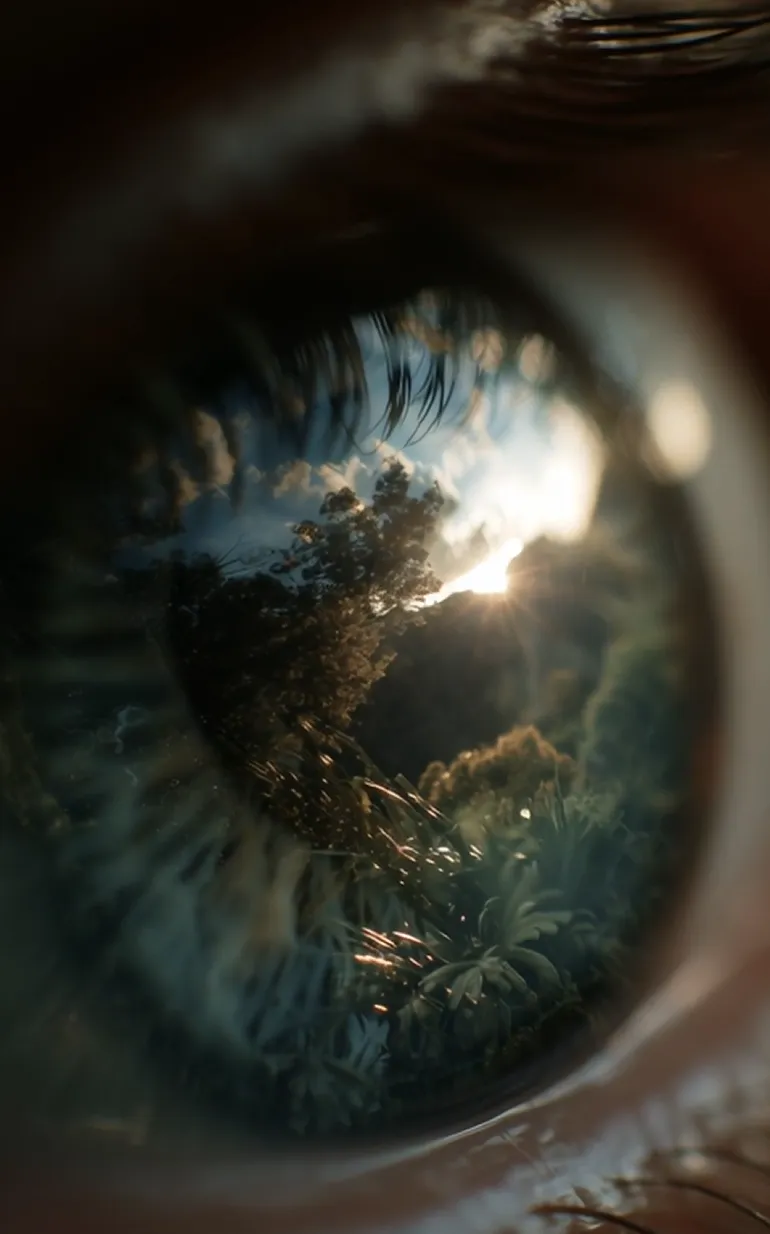
One of the program's most consistent findings: psychic perception requires a specific mode of attention. Not the analytical, goal-seeking mode most of us spend our days in — but a quiet, receptive state where the inner voice is turned down low enough to hear something fainter underneath.
"The statistical results of the studies examined are far beyond what is expected by chance."
The data continues today: across 12,000+ verified-blind sessions on Social RV, session accuracy diverges from chance at p < 0.001 — a result conventional statistics classifies as extremely significant. The raw data is public on our platform statistics page.
More on the Stargate Project and SRI research
How to meditate for psychic abilities: the four foundational techniques
These four practices are the core toolkit — the first three build the receptive state, the fourth opens the inner imagery channel impressions arrive through. Work through them in order; each takes a few sessions to start feeling natural.
1. Mindful breath awarenessThe foundation
Anchor attention on the sensation of breathing. The simplest, most-studied meditation technique. Builds the basic skill every other practice depends on: noticing when your mind has wandered and gently returning it.
You cannot perceive subtle psychic impressions if your inner voice is at full volume. Breath awareness is the volume knob.
2. Body scanGrounding
Sweep attention slowly through the body, noticing sensation without trying to change it. Trains you to listen to faint signals and stay relaxed under sustained attention.
Remote viewing impressions often arrive as physical sensations — texture, temperature, pressure. The body scan trains the same noticing muscle.
3. Open awarenessThe receptive state
Hold attention soft and wide. No object, no anchor. Let thoughts, sounds, and sensations arrive and pass without grabbing them. This is the meditation closest to what remote viewers do during a session.
Puthoff and Targ found that psychic perception requires a quiet, receptive mode of mind — not the analytical, goal-seeking mode most of us live in.
4. Light visualizationIntuition and the third eye
Visualize a soft point of light at the center of the forehead or behind closed eyes. Sustain the image without forcing it. Notice what arises around it — colors, shapes, fragments.
Visualization trains the inner imagery channel that psychic and intuitive impressions use. Many traditions associate this practice with intuitive opening.
A 10-minute psychic meditation for beginners
A single ten-minute sit you can do today, walking through three of the four techniques in sequence. Sit somewhere quiet, set a timer, and expect the first time to feel awkward — that is normal and not a sign you are doing it wrong.
Settle
Sit upright but relaxed. Eyes closed or softly downcast. Take three slow breaths, slightly longer on the exhale than the inhale.
Breath awareness
Rest attention on the breath. When the mind wanders — and it will — gently return. Do not judge the wandering. The returning is the practice.
Body scan
Move attention slowly from the crown of the head down through the body. Notice sensation without naming or fixing it.
Open awareness
Release the body scan. Let attention become soft and wide. Allow thoughts, sounds, and impressions to arise and pass on their own.
Close
Take three slow breaths. Notice anything that surfaced — images, words, feelings. Open your eyes. Optionally, write down what you noticed.
Prefer to be guided? The audio below is the same guided track that plays during real remote viewing sessions on the platform. Headphones recommended.
Created in collaboration with Social RV user CraigSignals, this guided session uses binaural beats technology to enhance your remote viewing practice.
Daily target: ten minutes, every day, for thirty days. Consistency beats duration — a short daily sit builds the practice faster than a long sit you do twice a week.
Common mistakes that kill beginner progress
- Chasing experiences — Trying to force visions or psychic phenomena tightens the analytical mind — exactly the state that blocks perception. Notice the trying, then let it go.
- Mistaking thinking for meditating — Reviewing your day with eyes closed is not meditation. The practice is noticing when you have left the anchor and returning.
- Skipping the fundamentals — Jumping straight to third-eye visualization without building basic concentration is the most common mistake in beginner psychic meditation. Build the floor before you decorate the ceiling.
- Quitting before the boring middle — Weeks two through six are the slog. The interesting effects most people are looking for tend to show up after the practice has stopped feeling exciting.
Already meditate? Your tradition saw this coming
Contemplative traditions have described psychic effects of deep meditation for thousands of years — long before any laboratory took an interest.
Siddhis are the perceptual and psychic abilities that classical yoga describes as natural byproducts of sustained practice. Patanjali's Yoga Sutras devotes its entire third chapter to them, including knowledge of distant and hidden things. Buddhist texts describe the same territory as the abhinnas, or higher knowledges, among them the "divine eye" — perception of things beyond ordinary sight.
What those traditions never had is a way to check whether a vivid flash of somewhere you have never been was perception or imagination. That is the gap remote viewing closes — many experienced meditators describe it as the missing second half of their practice.
From meditation to remote viewing
At some point most people who meditate for psychic development ask the obvious question: how do I know if anything is actually happening, or if I am just imagining it?
Remote viewing is a structured protocol for describing a hidden target — a photograph, location, or object — using only mental impressions, under blind conditions that rule out prior knowledge. Developed at Stanford Research Institute in 1972, it turns subjective practice into something you can check: you describe the target first, and only then see what it was.
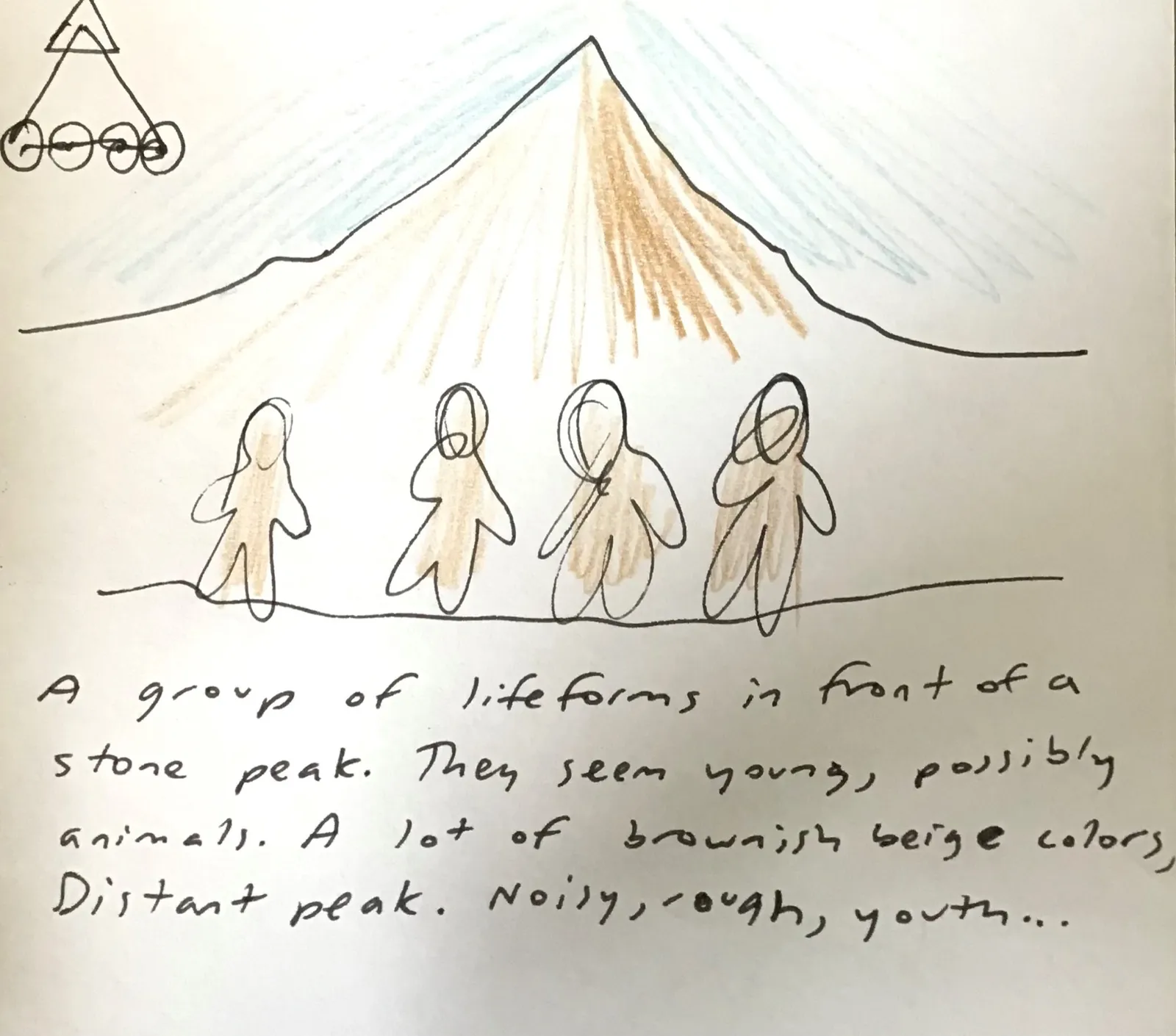

The techniques on this page build the same receptive state remote viewers drop into during a session. Meditation builds the floor; remote viewing is what you do with it.
What meditation gives you
- The quiet, receptive state
- The skill of noticing subtle signals
- An open inner imagery channel
What remote viewing adds
- A blind target to check yourself against
- A protocol that filters out imagination
- A way to track if you are actually improving
Test your perception with a free remote viewing session
The fastest way to find out whether your meditation practice is opening anything up is to put it to a blind test. Get a random target, describe what you perceive, and only then see what the target actually was.
Start a sessionFree to start · free daily session · no credit card
Frequently asked questions
How long until I see results from psychic meditation?
Most beginners notice calmer attention within two weeks of daily practice. Subtle perceptual shifts — clearer intuition, vivid mental imagery, the receptive state coming online — typically arrive in the four to eight week range with consistent practice.
What is remote viewing?
Remote viewing is a structured protocol for describing a hidden target — a photograph, location, or object — using only mental impressions, under blind conditions that rule out prior knowledge. Developed at Stanford Research Institute in 1972 and used by US government programs for over two decades, it is the most tested form of psychic perception.
Do I need to meditate before every remote viewing session?
A short settling period of two to five minutes before a session helps most viewers. The deeper benefit comes from a regular practice that makes the receptive state easier to drop into on demand.
Is meditation for psychic abilities the same as third-eye meditation?
Light visualization at the brow center is one of four techniques covered in this guide, and it overlaps with what is traditionally called third-eye meditation. It is one tool in a beginner toolkit, not the whole practice.
Can meditation alone make me psychic?
Meditation builds the inner conditions that psychic perception seems to require — quiet, receptive attention. Whether perception itself develops further is something you can test directly with structured remote viewing sessions.
What are siddhis?
Siddhis are the perceptual and psychic abilities that classical yoga texts describe as natural byproducts of deep meditation. Patanjali's Yoga Sutras devotes its third chapter to them, including knowledge of distant and hidden things — the same ability modern research calls remote viewing.
Related topics
Join the community
Start your remote viewing journey today and contribute to the advancement of consciousness research!